Baking powder and yeast are both foundations to making baked goods “rise” - one in an immediate manner, while the other requires some time. This article guides you through which one to use to perfect baking from your first try!
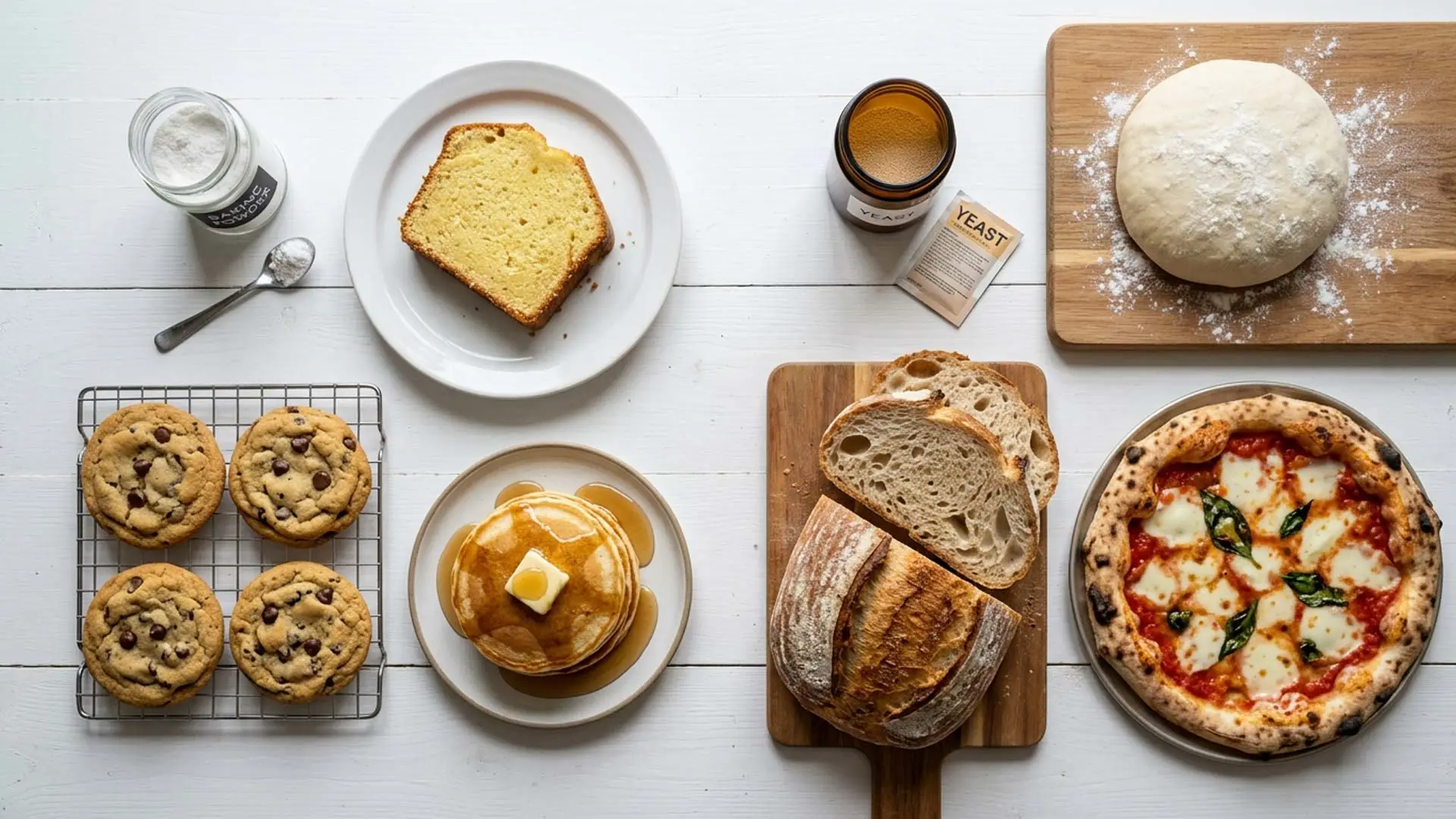
A One-Minute Guide: What is the difference between baking powder and yeast?
- Baking Powder: Baking powder is a chemical leavening agent that releases gas when exposed to moisture and heat, helping baked goods rise quickly without any waiting time. It is commonly used in cakes, cookies, and pancakes, creating a light, soft, and tender texture.
- Yeast: Yeast is a living microorganism that requires time to ferment and produce gas, allowing dough to gradually rise making it perfect for breads, pizzas or other doughs that require a soft, chewy yet well-developed structure.
There is no definite answer on whether you should use baking powder or yeast, but it depends on what you are baking and your desired texture due to the different outcomes both ingredients give.
- Baking Powder: Suitable for recipes that do not require much time in waiting for the dough to rise such as cakes, cookies, muffins and pancake — best for days when you have limited time to make yourself a sweet treat.
- Yeast: Perfect for recipes that require a structured yet soft texture with elasticity, such as bread, pizza dough, doughnuts, bagel, and cinnamon rolls. Here, the yeast slowly ferments the dough, allowing it to naturally rise resulting in a soft yet chewy, and distinctly aromatic dough.
Can Baking Powder and Yeast Be Used Interchangeably?
In general, no. Although both baking powder and yeast help baked goods rise, they work in very different ways and produce noticeably different results.
Baking powder creates a quick rise and a lighter texture for cakes, muffins and pancakes.
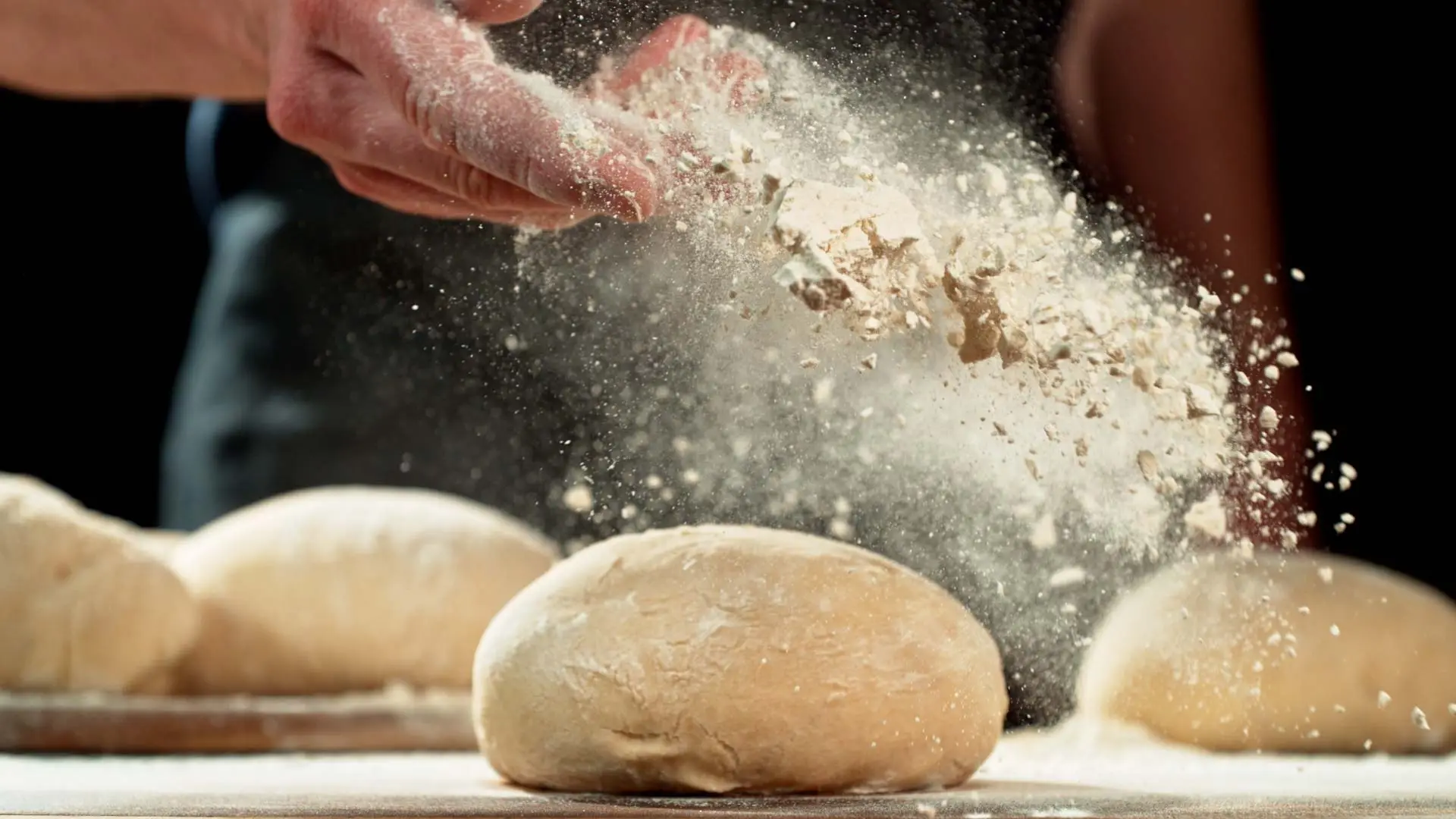
Yeast requires fermentation time and develops a softer, chewier texture with more structure and flavor, perfect for bread or various doughs.
Substituting one for the other can significantly affect the flavor, texture, and rise of your baked goods. For example, using baking powder instead of yeast in bread may result in a denser loaf with less elasticity. Meanwhile, substituting yeast for baking powder in cakes may require more time for the batter to rise, with a texture that is not as light and fluffy.
Which one is good, baking powder or yeast?
It depends on what you are baking as both types are suitable for different recipes.
Which is better for bread: yeast or baking powder?
For bread baking, opt for yeast as this helps with the dough’s elasticity, rise and bread-like texture.
Baking powder vs. yeast: which is healthier?
Both types should be used in moderation, and is not the main measure to health. It is important to consider other ingredients incorporated in the recipe such as sugar, fats and carbohydrates.
Whether you’re baking cakes, cookies, or bread, choosing the right leavening agent—baking powder or yeast—can make all the difference in the final result. For those looking for quality baking essentials, including baking powder, yeast, flour, and other premium ingredients, shop at Villa Market in-store or online today!