Japanese Sushi and Sashimi: A Complete Guide
When we talk about Japanese cuisine, sushi is often one of the first dishes that comes to mind—bite-sized portions of rice topped with fresh fish, or neatly rolled pieces wrapped in seaweed. But did you know that sushi doesn’t always mean raw fish, and is not the same as sashimi?
How Does Sushi Differ From Sashimi?
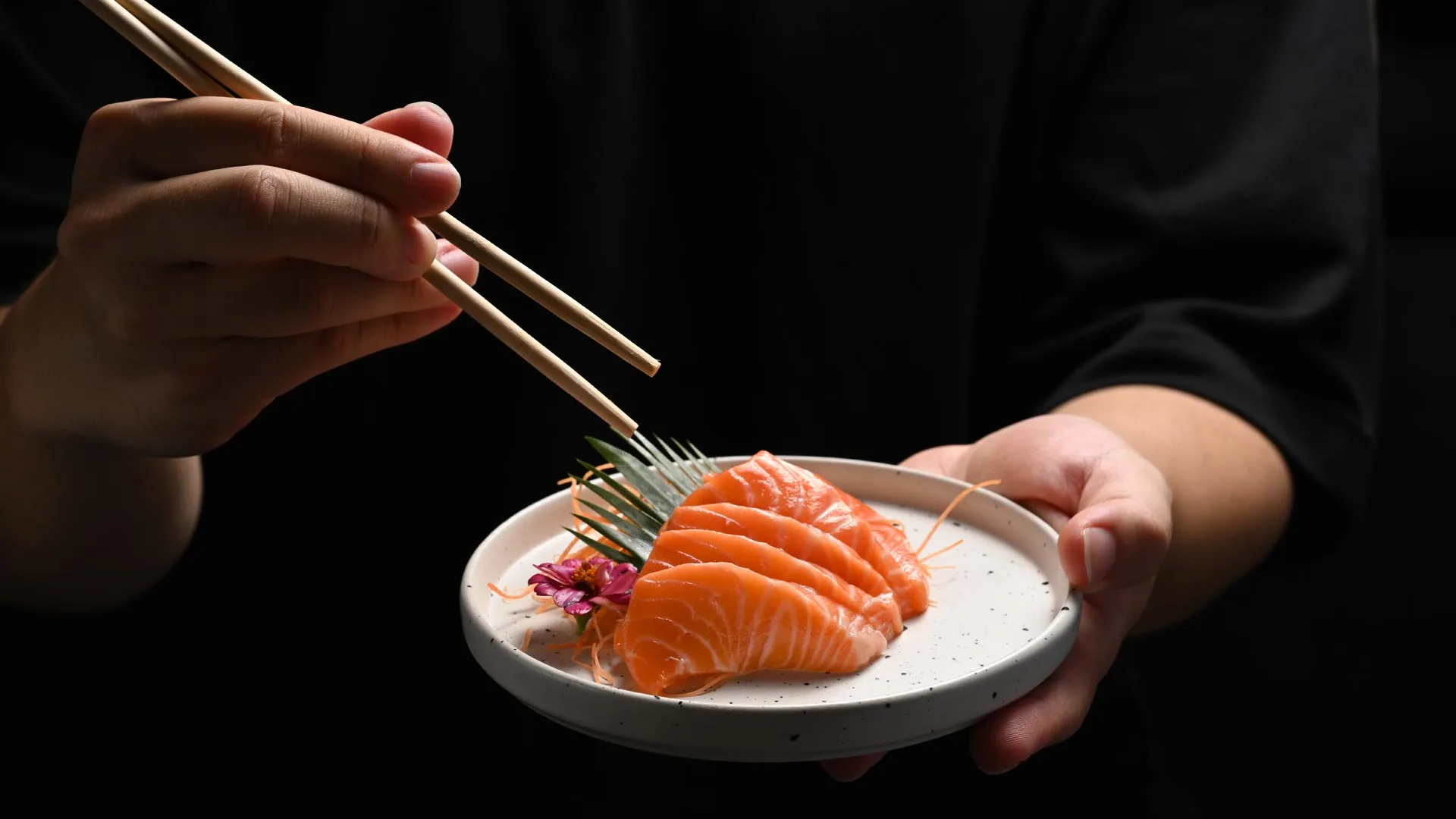
Many understand that sushi and sashimi are the same, but in fact, the heart of sushi lies in “sushi rice” that has been seasoned with vinegar, sugar and salt. So, whether the rice has been topped with fish, egg, shrimp or vegetables, it is all classified as sushi. Meanwhile, sashimi refers to thinly sliced raw fish or seafood served without rice, focusing purely on the quality and freshness of the ingredients. It is typically accompanied by soy sauce, wasabi, and shredded daikon radish.
Simplified Summary of the Difference:
- Sushi: Always includes seasoned rice as the main component with different toppings that may or may not be sashimi. Non-sashmi examples include tamagoyaki (Japanese omelette) and inari (deep-fried tofu pouch).
- Sashimi: Fresh fish or seafood served on its own without rice, with focus on natural flavors and freshness.
Nigiri vs. Maki: What are the Differences?
Sushi comes in different forms, but the most common includes “Nigiri” and “Maki”:
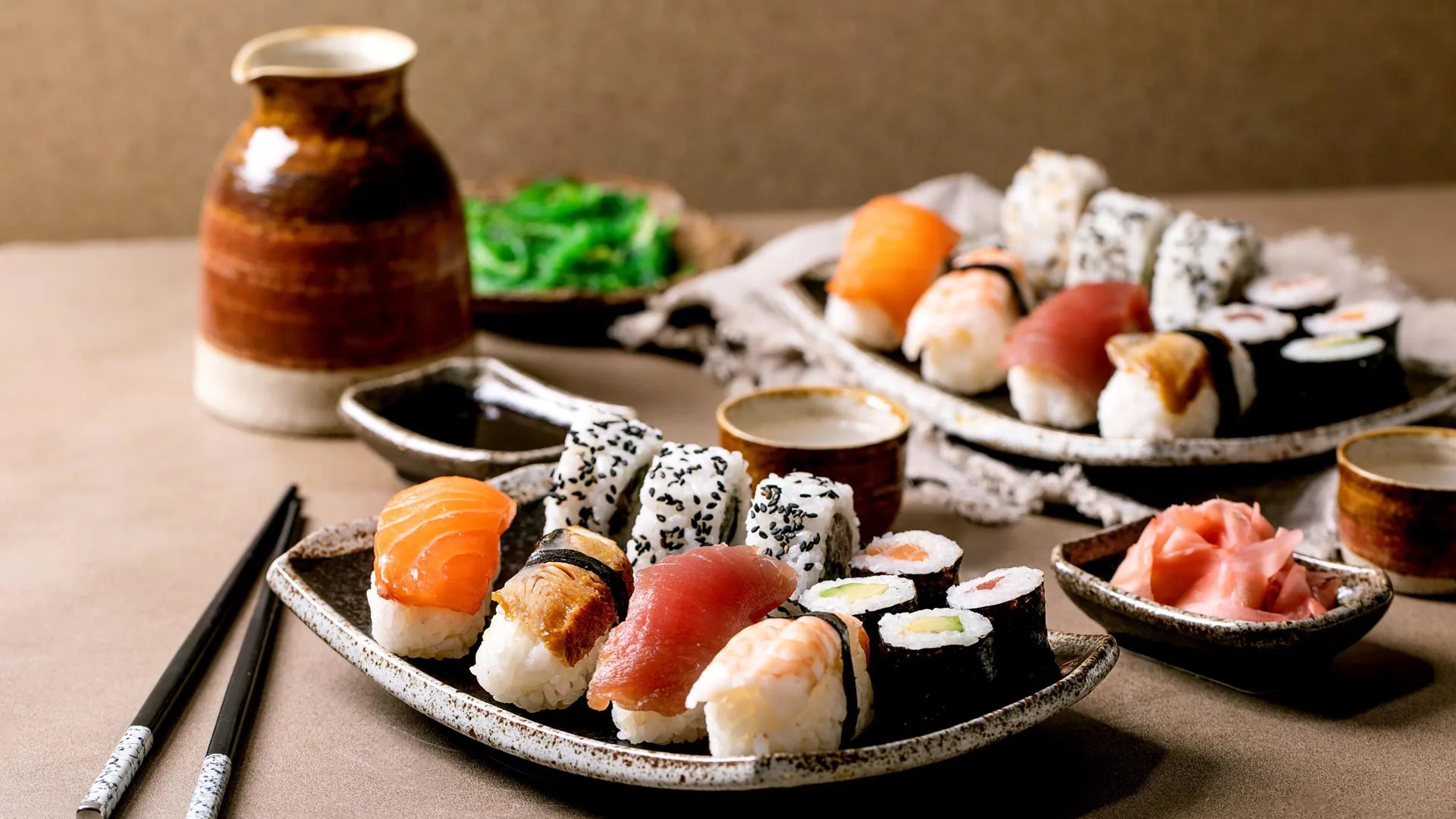
- Nigiri: oval-shaped hand-pressed rice topped with a certain ingredient such as salmon, tuna, shrimp, or tamagoyaki.
- Maki: a type of rolled sushi where fillings are wrapped in seaweed and cut into bite-sized pieces.
What are Some Popular Types of Sushi?
Sushi is not about sashimi like many people might understand, but offers a wide variety of flavors, textures, and ingredients—from firm, rich cuts of fish to sweet options and vibrant toppings. Let’s explore some of the most popular types of sushi that people love to enjoy:
Salmon Sushi:
The all-time favourite and one of the most popular sushi options, especially in Thailand. With its sweet, soft and buttery texture from good fats (Omega-3), it melts in the mouth and is easy to eat. It is considered a dish that could definitely turn you into a salmon lover.Tamagoyaki Sushi:
Delicate, Japanese-style sweetness, tamagoyaki sushi features a lightly seasoned rolled omelet with a balance of sweetness and a hint of saltiness. Its soft, fluffy texture and slight juiciness make it a great choice for those who don’t eat raw fish, as well as for kids or beginners.Inari Sushi:
A soft, sweet and easy-to-eat sushi that wraps rice in a seasoned deep-fried tofu pouch (Inari Age). With its balanced salty and sweet flavor, it is a sushi without raw fish, making it a perfect option for vegetarians.Sushi with Fish Roe:
Fish roe toppings such as ebiko or tobiko help add a touch of colour and crunchiness, making each bite both vibrant and fun to eat!
Eat Sushi Like a Pro By Following These Steps!
Eating sushi is not just about taste—it also involves etiquette and certain techniques that help you experience authentic Japanese flavors at their best. If you want to level up and eat like a sushi pro, try following these tips:
Chopsticks or Hands?
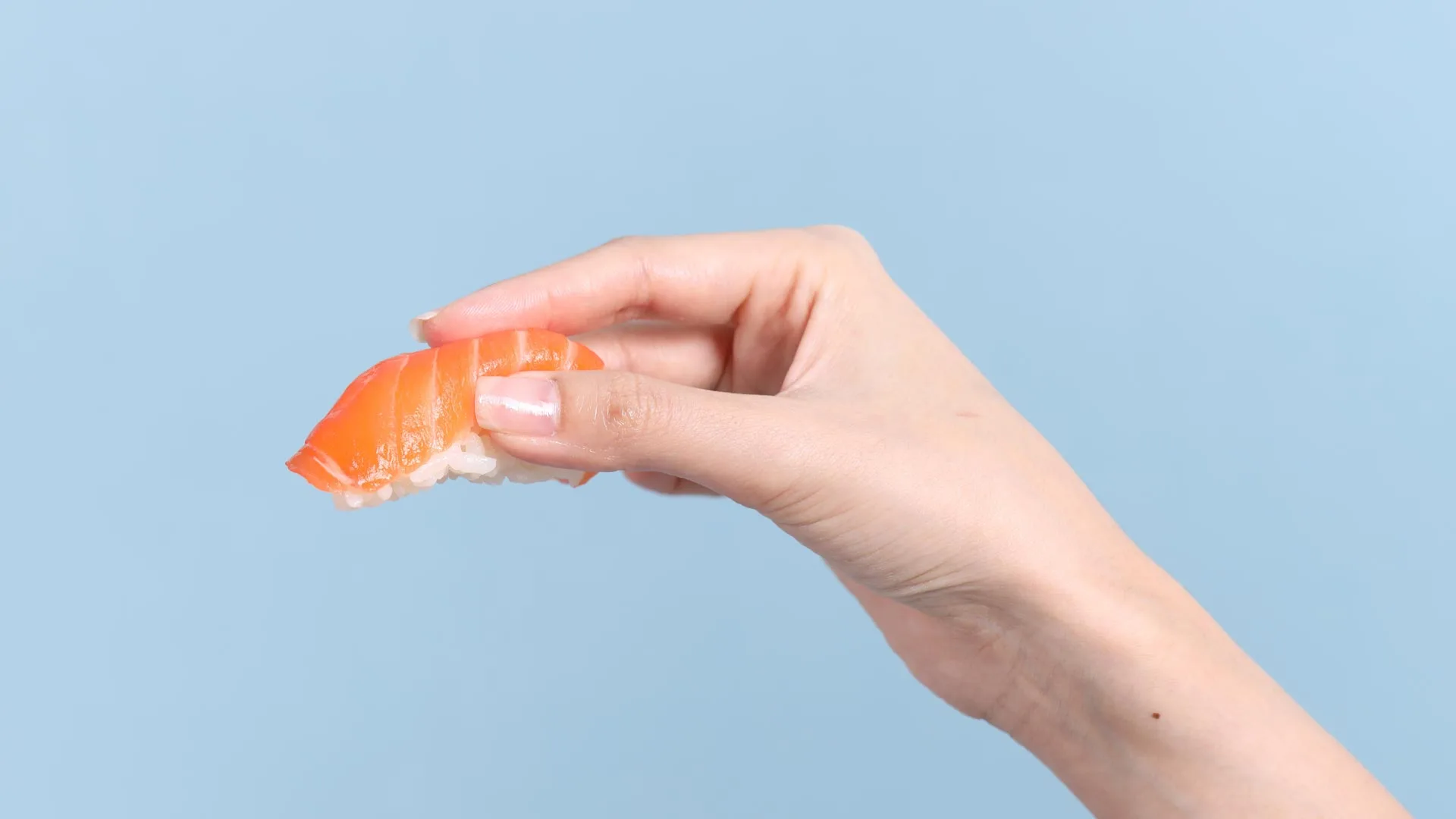
You can actually eat sushi with your hands—especially nigiri. It is actually the traditional way and helps control pressure so the rice does not fall apart. Chopsticks, on the other hand, offer a more convenient and polite dining experience.How to Dip Sushi in Soy Sauce
Sushi professionals will only dip raw fish in soy sauce, and avoid dipping rice in soy sauce. Rice absorbs sauce quickly, which can make the sushi too salty and cause it to fall apart.Don’t Mix Wasabi in Soy Sauce
In Japanese tradition, wasabi shouldn’t be mixed into soy sauce as chefs add the right amount needed between the fish and rice already. If you want more, lightly place a bit on top of the fish before dipping.Eat Everything in One Bite
Sushi is designed to have the perfect balance of rice, fish, and wasabi in a single bite. Avoid biting sushi in half, as it disrupts the flavor balance and may cause it to fall apart.The Pickled Ginger (Gari) is Not a Topping
Many people place ginger on top of sushi, but it is actually meant as a palate cleanser. Eat the pickled ginger between bites of sushi to reset your taste buds and better enjoy the distinct flavors of each type of fish.
Sushi tastes best when it is fresh, especially varieties with raw fish. It should ideally be consumed within 2–4 hours if kept at room temperature, to ensure both safety and optimal flavor. When storing, keep fish in an airtight container and consume within 24 hours, as both the quality and texture of the rice will deteriorate. It is also best to buy only what you can finish, and choose trusted sources that prioritize freshness and cleanliness. Villa Market is where you can find ready-to-eat quality sushi with confidence, available both in-store and online.